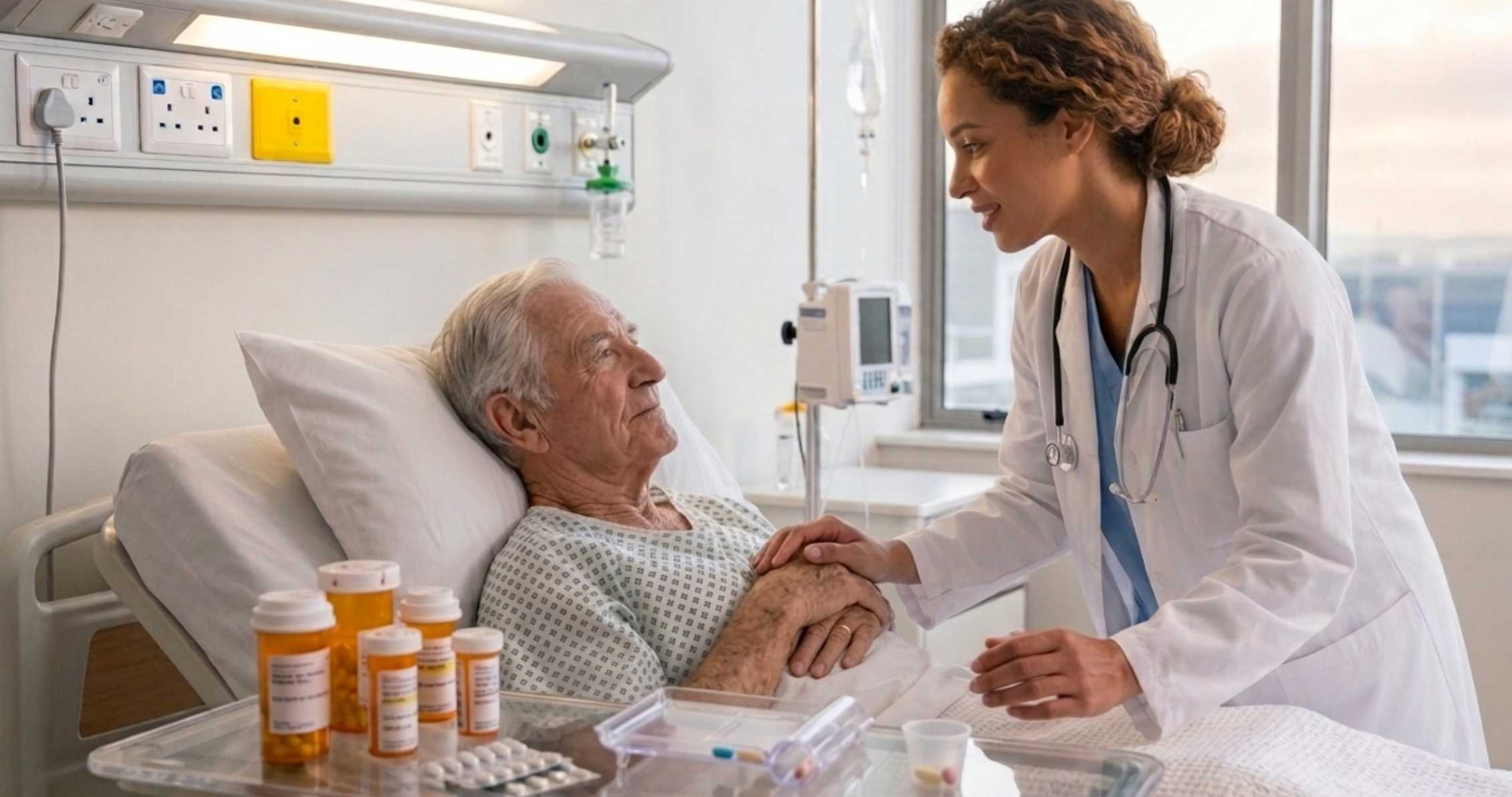
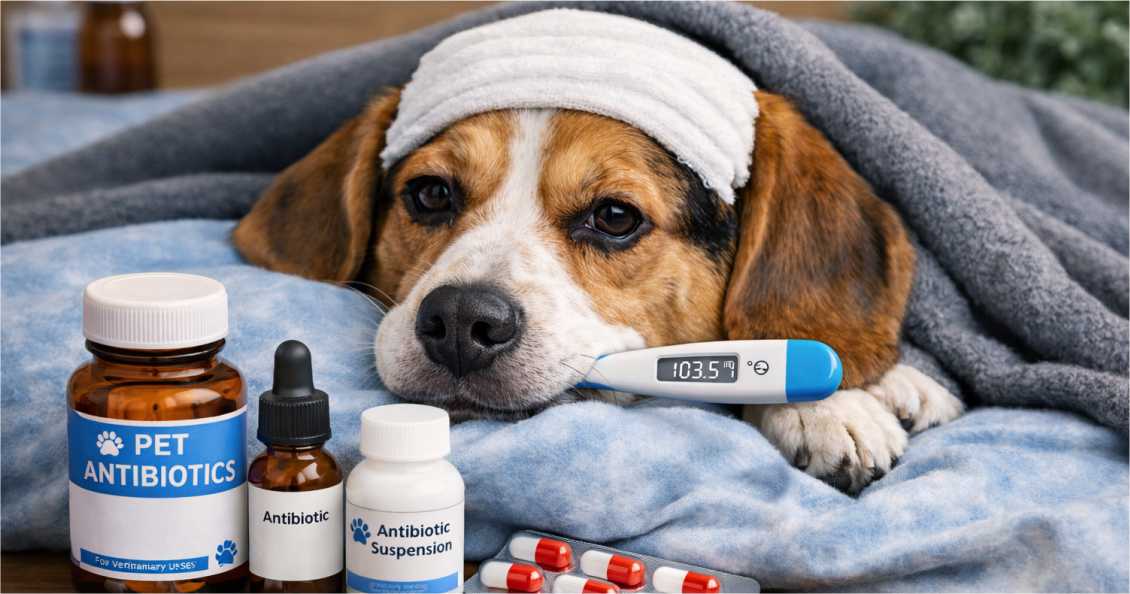
Antibiotics are one of the most important tools in modern medicine. They save lives every day treating infections in both people and animals that would once have been fatal. But their effectiveness is under threat due to a growing global problem called antimicrobial resistance (AMR).
AMR occurs when infection causing microbes (germs) adapt and become resistant to the antimicrobial medicines designed to treat them, antibiotics being one of those medicines alongside antifungals, antivirals and antiparasitics. This means infections can become more difficult to treat or even impossible to treat. While this might sound like something that only affects hospitals, it’s something that involves all of us including our pets.
Like many global challenges, AMR can feel overwhelming. But small, everyday decisions can make a real difference. One of the most important is making sure antibiotics are only used when they are truly needed.
A Common Situation
Imagine this: your dog has been unwell for several days off food, low in energy, and now with severe diarrhoea. Naturally, you are worried and take them to the vet.
Your vet recommends hospital care, fluids, and close monitoring. At this point, you might expect antibiotics to be given straight away after all, your pet is clearly very sick.
But sometimes, the best decision is not to use antibiotics.
Why Antibiotics Aren’t Always the Answer
Your vet carefully assesses whether antibiotics are needed. In this case, although your dog is clearly unwell, there are no signs of a bacterial infection or more serious complications. This means antibiotics are unlikely to help at this stage.
Instead, your pet can be closely monitored and supported with treatments like fluid therapy, while the veterinary team keeps a close eye for any changes that might mean antibiotics are needed later.
Research has shown that in some conditions like this, antibiotics do not improve recovery. In fact, using them when they aren’t needed can do more harm than good, disrupt your pet’s natural balance of bacteria and contributing to the growing problem of antibiotic resistance. Research over the past decade has made it clear that antibiotics can significantly affect the gut microbiome (the community of beneficial bacteria living in the digestive system), especially when used unnecessarily.
Why Not Use Antibiotics “Just in Case”?
It’s completely natural to want to do everything possible for your pet. However, giving antibiotics “just in case” isn’t always the safest option.
Unnecessary antibiotic use can:
- Encourage resistant bacteria to develop
- Disrupt your pet’s normal, healthy bacteria
- Make future infections harder to treat
- Impact both animal and human health
This is why vets make careful, evidence-based decisions about when antibiotics are truly needed.
The Bigger Picture: Shared Health
The health of animals, people, and the environment are closely connected. Resistant bacteria can spread between pets and humans, and even through the wider environment.
This means that how antibiotics are used in pets doesn’t just affect individual animals it’s part of a global effort to protect these vital medicines for everyone.
Why This Matters for your Health
Antibiotic resistance is already affecting some of the most advanced areas of human medicine.
For example, many cancer patients rely on chemotherapy to treat their disease. While chemotherapy targets cancer cells, it can also weaken the body and disrupt the natural balance of bacteria in the gut. This makes patients more vulnerable to infections.
Antibiotics are often needed to protect these patients. But there’s a growing problem: the more antibiotics are used, especially over longer periods, the more opportunity bacteria have to adapt and become resistant.
At the same time, chemotherapy itself can disturb the body’s normal bacteria, allowing more harmful bacteria to take over. This combination disrupted natural defences and increased antibiotic use creates the perfect conditions for resistant bacteria to develop and spread.
In some cases, this means infections become much harder to treat. Treatments may be less effective, recovery can be slower, and the risks to the patient increase.
Researchers are now exploring ways to restore healthy gut bacteria through approaches like probiotics and other therapies to improve outcomes. But protecting antibiotics in the first place remains essential.
When Antibiotics Stop Working
It’s easy to think of antibiotic resistance as something distant but it has very real consequences.
Imagine going into hospital for a routine operation, like a hip replacement. The surgery goes well, but afterwards an infection develops. Normally, this would be treatable. But the bacteria are resistant to multiple antibiotics, and what should have been a straightforward recovery becomes life-threatening.
Or imagine recovering from serious illness, only to develop an infection that doctors struggle to treat because the usual antibiotics no longer work.
These situations are already happening. Antibiotic resistance is making infections harder to treat, leading to longer hospital stays and, in some cases, loss of life.
What You Can Do as a Pet Owner
You play an important role in this effort. Here’s how you can help:
- Trust your vet’s advice if antibiotics aren’t prescribed
- Avoid asking for antibiotics as a quick fix
- Follow instructions carefully when antibiotics are prescribed
- Never use leftover or shared medications
- Return for check-ups if your pet isn’t improving
Good communication with your vet is key, they are always happy to explain their decisions and what to look out for at home.
Don’t Be Afraid to Ask Questions
If your pet is prescribed antibiotics, it’s always okay to ask why. Understanding the reason behind a treatment helps you feel confident in your pet’s care and ensures antibiotics are being used appropriately.
You might consider asking:
- What infection are we treating?
- Are antibiotics definitely needed in this case?
- Are there any alternatives or supportive treatments?
- What signs should I watch for if my pet doesn’t improve?
These aren’t challenging questions, they form a part of good communication. Your vet wants to work with you to make the best decisions for your pet.
A Shared Responsibility
Every time antibiotics are used, it has an impact. By using them responsibly in our pets, we help protect these medicines for ourselves, our families, and future generations.
When your vet decides not to prescribe antibiotics, it’s not because they are withholding treatment it’s because they are making a careful, informed decision to protect your pet and contribute to a much bigger effort.
Because one day, any of us or someone we love may rely on antibiotics to survive.
And we need them to work.

Cameron Prior
BVSc MSc PgCert CertAVP DipECVIM-CA MRCVS
Cameron is a European Diplomate in Small Animal Internal Medicine. Passionate about fungal disease, antimicrobial stewardship, endocrinopathy, and facilitating multiple studies to enhance the evidence base of veterinary medicine. Keen to build collaborative projects with colleagues across Europe and to promote clinical research in practice.
Disclaimer: The information provided on this website is intended for educational purposes only. It is not intended to be a substitute for professional medical advice, diagnosis, or treatment. Always seek the advice of your physician or other qualified health provider with any questions you may have regarding a medical condition. Never disregard professional medical advice or delay in seeking it because of something you have read on this website. Reliance on any information provided on this website is solely at your own risk. The website owners and authors are not responsible for any errors or omissions in the content or for any actions taken based on the information provided. It is recommended that you consult a qualified healthcare professional for individualised medical and health-related guidance.